Stephen Decatur's famous 1816 toast, "Our country! In her intercourse with foreign nations, may she always be in the right; but our country, right or wrong," has been profoundly unfashionable in the West for most of my life.
To the modern ear, it sounds like a recipe for blind jingoism, an archaic tribalism we were supposed to have outgrown. Taken literally, the phrase can become an alibi for cowardice, cruelty, and obedience dressed up as virtue. Carl Schurz's later correction offers a necessary moral amendment, arguing that if the country is right, it should be kept right, and if it is wrong, it should be set right.
The most famous demolition of Decatur's toast belongs to G.K. Chesterton. He wrote that saying "my country, right or wrong" is something no patriot would say except in a desperate case, comparing it to saying "my mother, drunk or sober." People usually quote this line as a kill shot. Read it again. It is an instruction manual most valuable during desperate times: existential war, challenge to the political order, and moments when the social contract must be modified to meet new conditions.
If your mother is drunk, she does not stop being your mother. You do not stand on the porch composing a comparative analysis of available mothers. You do not announce that motherhood is a social construct and walk away. You get her home. You get her sober. The unconditional part is the attachment; the conditional part is the approval. Chesterton reached for the one relationship where everyone still understands the difference, and in doing so, he named the exact structure of the loyalty I want to defend.
Decatur names something Schurz does not quite exhaust, and Chesterton, while trying to mock it, names it best of all: the pre-rational fact of attachment.
A country is not loved because it has passed an abstract audit against every possible alternative. It is loved because it is the particular ground on which one's obligations became real. You do not love your home because it is mathematically superior to every other home. You love it because it is where your life has weight. For a long time, I resisted this.
01The Purest Balloon I Ever Flew
I am open-minded by nature, and after my time in the Marines and university, I eagerly embraced the prevailing Western view of the unencumbered individual. About twenty years ago, this evolution reached its apex when I immersed myself in the works of Mises, Rothbard, and the broader theories of anarcho-capitalism.
It was intoxicatingly pure. It offered a pristine, logical formula for society based on voluntary contracts, property rights, and the non-aggression principle. It gave me a clean way to reason about human affairs without the grime of history, tribe, obligation, blood, soil, borders, and inherited loyalty. From an armchair, armed with a handful of axioms, I could derive an entire civilization and grade every existing one against it.
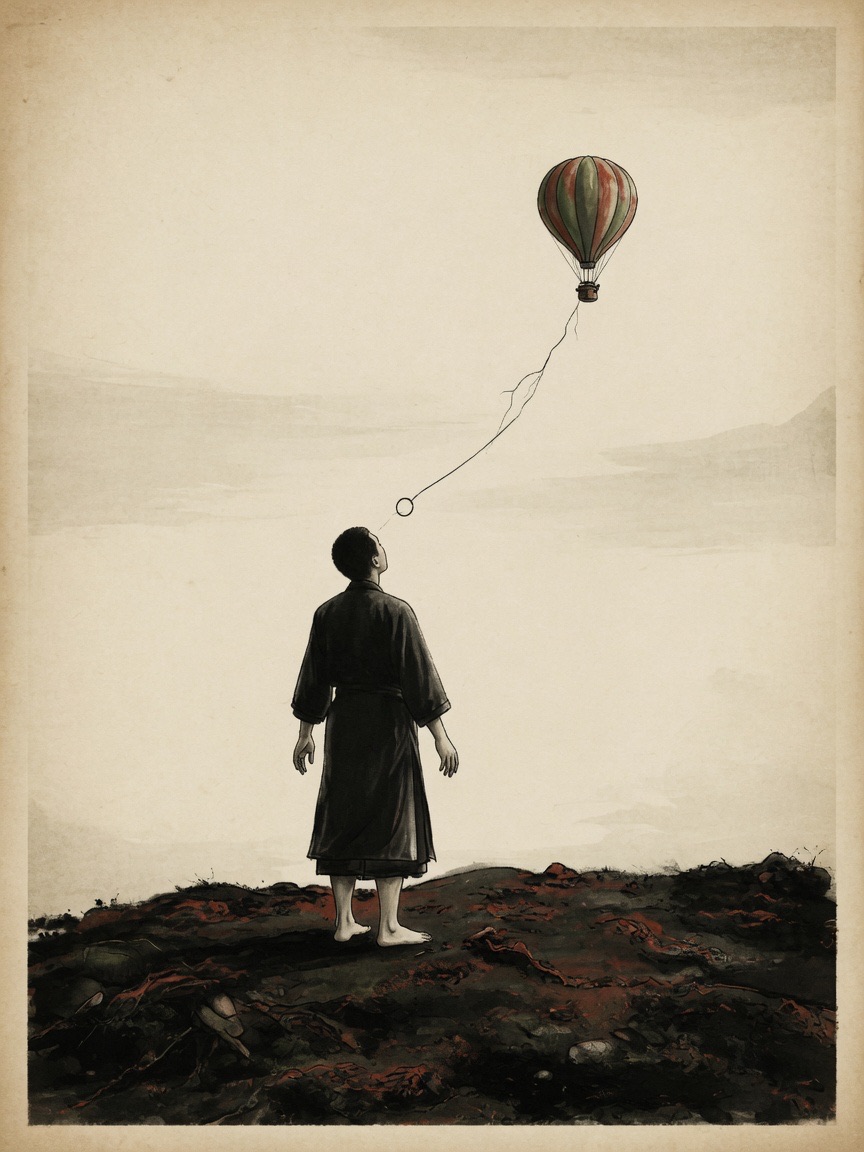
In the terminology of my recent writing on the AI epoch, anarcho-capitalism was the ultimate balloon. For readers arriving here first, the balloon is my shorthand for analytical altitude. It is the System 2 capacity to rise above particulars and see structure. You build a balloon to ascend, and you ascend to see. The view is the point. The mistake of the last two centuries was to confuse the balloon for the destination, treating altitude itself as the prize.
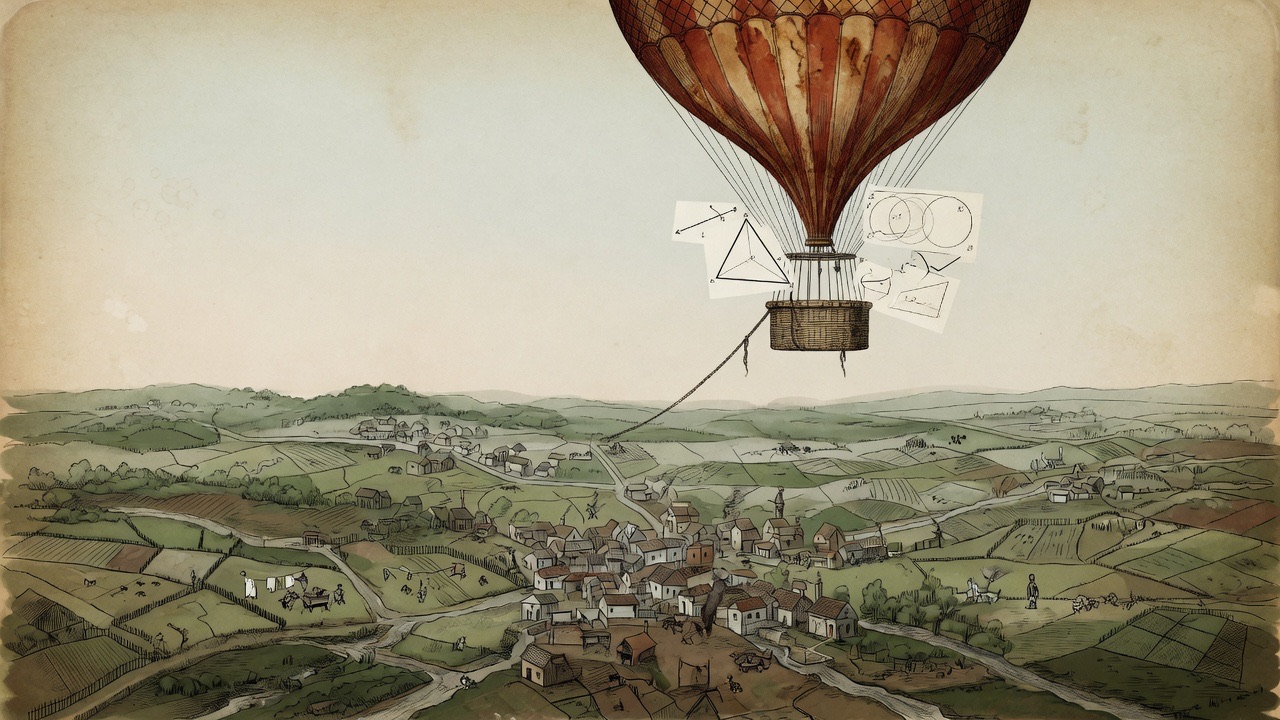
Anarcho-capitalism provided immense analytical altitude. From that height, one could float far above the messy, irrational friction of nations, myths, duties, and partial loyalties. From that altitude, prioritizing an in-group over an out-group seemed illogical, like a bug in the human operating system.
But nobody lives in the balloon. The balloon is disposable infrastructure for getting a view. The mistake I made, and the mistake much of the post-national knowledge economy made, was mistaking the vehicle for the destination. We started treating altitude as the point.
02Ten Years Without a View from Nowhere
As I grew older, read more history, raised a family, and lived abroad, the sterile purity of ultra-individualism started to fracture. I spent nearly a decade in Japan, teaching in Koriyama and immersing myself in a fascinating, high-trust, heavily communitarian culture. During those years, the culture changed and deepened me. It gave me another lens.
But it did not make me context-free.
Looking back, at no point did I ever view Japan from some post-national view from nowhere. I was always processing it through the inescapable lens of an American, Gen-X male from Southern California, shaped by my own history, language, military service, temperament, and assumptions. My Japanese experience did not replace my roots; it added another layer over them.
Japan also taught me what the positions actually are. A tourist consumes a culture's surfaces. A native carries its debts. In between, there is a third position, the acknowledged guest, which works precisely because both parties know it is not assimilation. The visible seams of the arrangement are where the learning happens. I am convinced I had such a rewarding experience there because I had been unknowingly taking the position of the acknowledged guest. I leaned into it hard as I saw how it made interactions with my students, colleagues, friends and neighbors feel comfortable and natural.
Instrument · Three Positions
Thick culture is not a playlist. The seams are where learning is possible without pretending the boundary is optional.
Surface
Tourist
Consumes surfaces: food, sites, aesthetics. Can leave on Tuesday. No debts, no interior stake.
Seam
Acknowledged guest
Enters with both parties knowing it is not assimilation. The visible seams are where the learning happens.
Debt
Native
Carries the culture's debts: the dead, the forms refined by people who had no choice, the obligations that generate content.
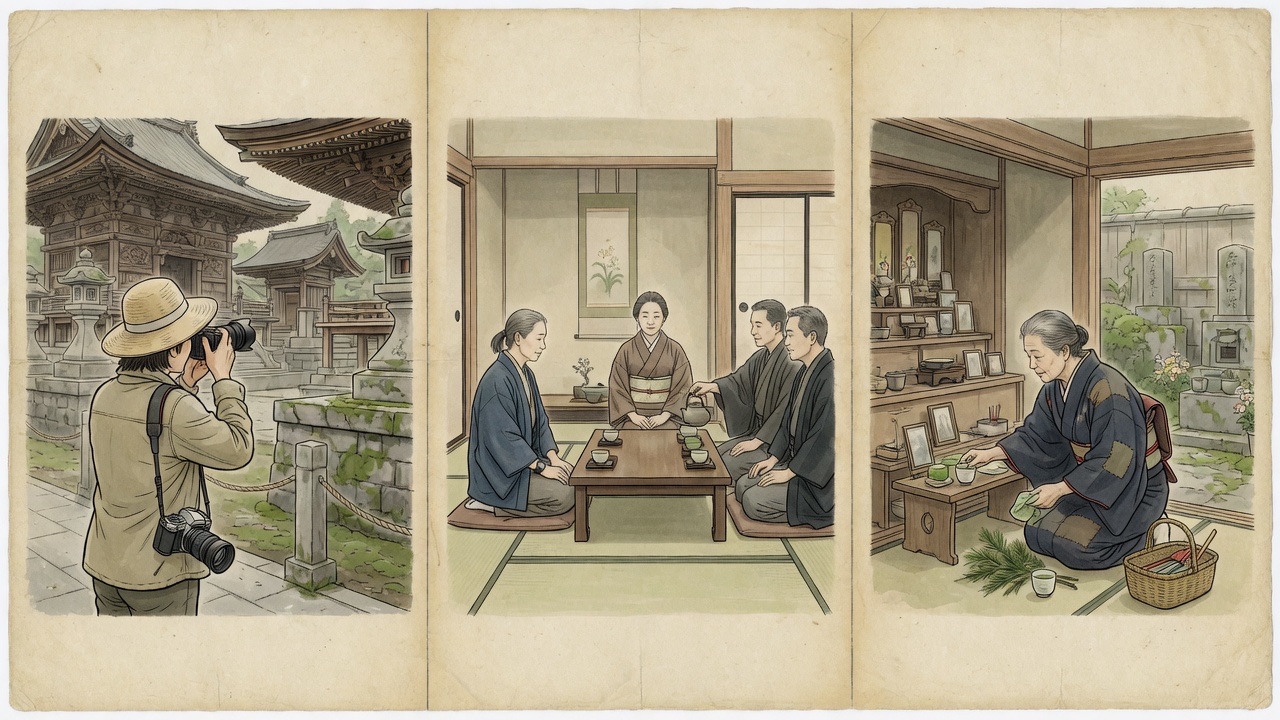
The foreigners I watched try to fit in and "become Japanese" were committing a category error. It's common to hear such foreigners in countries like Japan complain that they are never accepted no matter how hard they try, how fluent they become and how many years they've lived there. However, they wanted a depth they could not earn, treating thick culture as content to opt into rather than as a boundary condition that generates content. The quiet resistance they kept running into was not gatekeeping. It was the culture protecting its dead, guarding the centuries of people who had no choice, whose suffering was refined into the forms the assimilators wanted to wear as costume.
Here is the mirror image, which took me years longer to see. If thick belonging could not be opted into over there, then my own belonging back home could not be cleanly opted out of either. That does not make the bond automatically righteous. It makes it real enough to require judgment. I had been carrying it the entire time I thought I was floating. That was the beginning of the crack in the abstraction.
03The Myth of Zero
The perfectly rational, atomized individual stripped of all context is a myth. Michael Sandel called it the unencumbered self, and the name is apt. It imagines a self prior to all its attachments, free to audit and select its commitments the way it selects consumer goods. No one actually exists that way. We are born into language, family, memory, place, obligation, inherited institutions, and unchosen debts. We may critique those inheritances. We may revise them. We may reject some of them. But we never begin from zero.
Consider the instrument you would use to perform the audit. The language you reason in is inherited. The concepts of rights, contracts, and consent you deploy against inherited loyalty are themselves inheritances, minted by particular peoples, in particular struggles, at particular costs. The unencumbered self is a passenger who claims to have built the road.
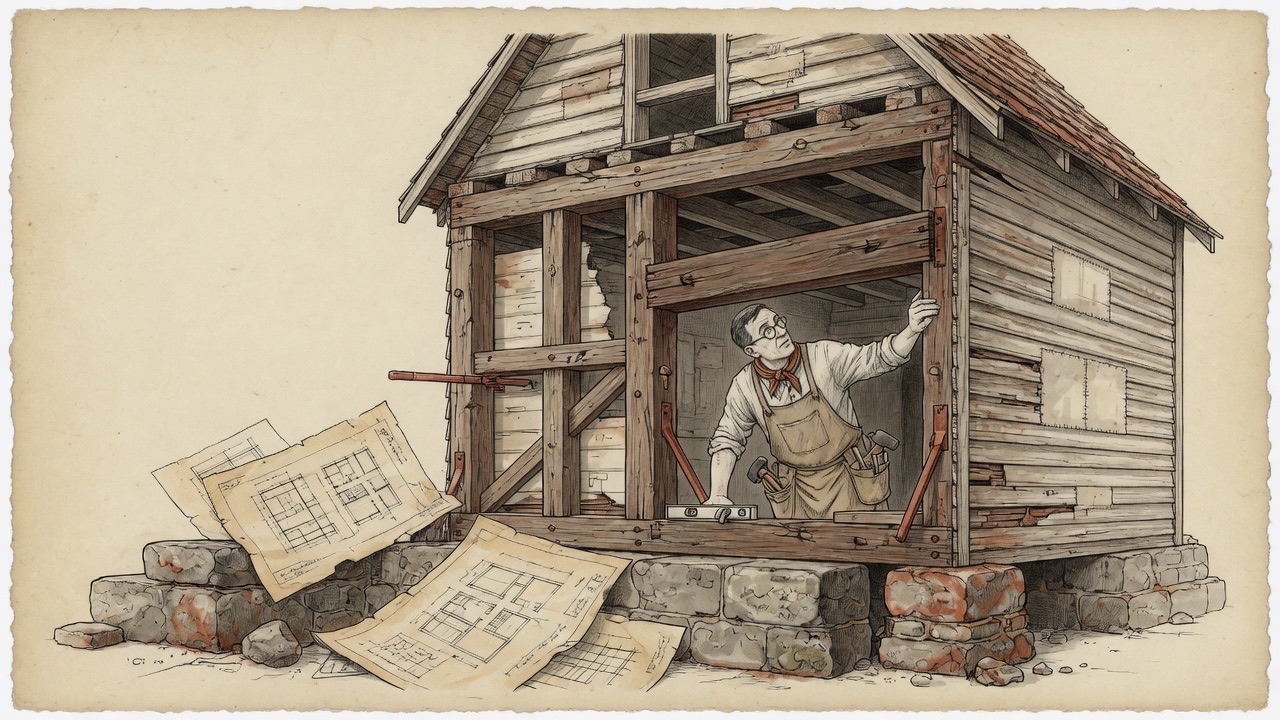
This is not a fatalism about growth. People do remake themselves; I have done it more than once. But remaking is renovation, not new construction. The renovator works with a structure he did not design, and the wise ones check which walls are holding up the roof before swinging the hammer.
04The Platform Beneath the Global Citizen
This is where Alex Karp's argument in The Technological Republic connected several loose wires for me. The post-national utopianism of the Western elite forgot that the freedom to be a borderless individual is paid for by massive, invisible security scaffolding. This includes law, infrastructure, military power, institutional trust, technological competence, borders and the willingness of some people to defend a particular civilization.
The global citizen does not float in empty space. He stands on a platform built by somebody, usually by a country.
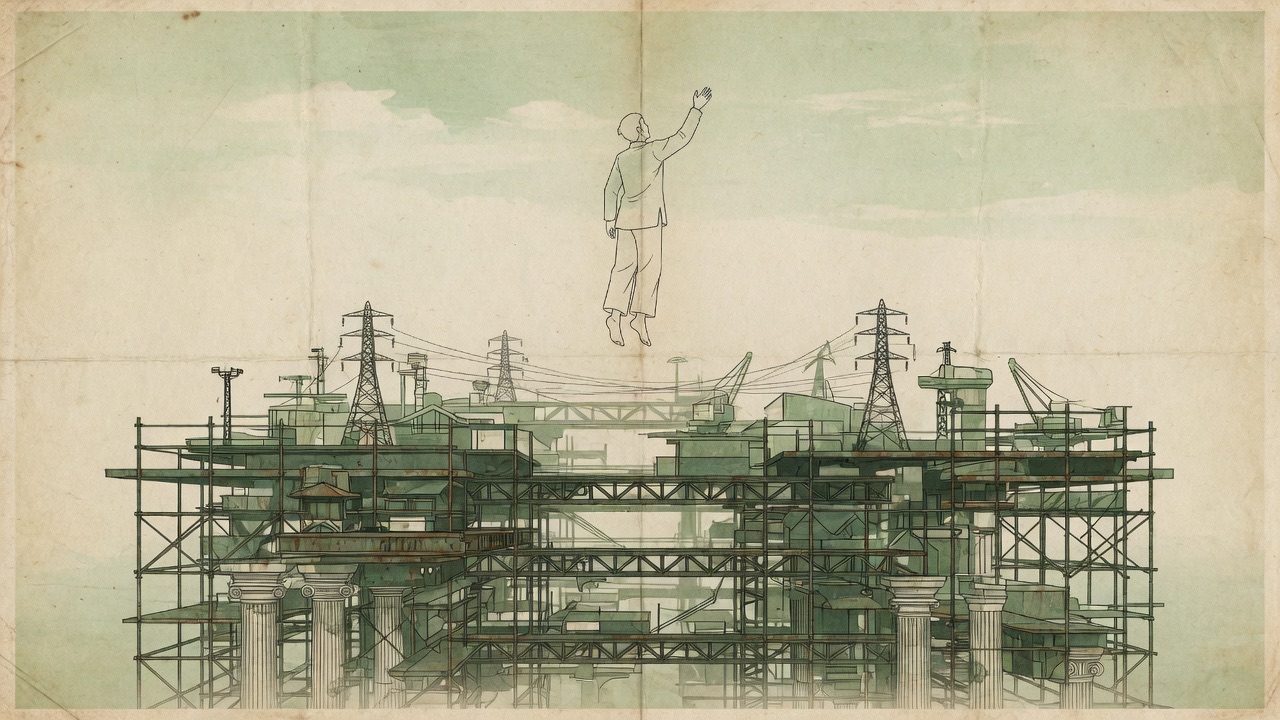
That platform is not maintained by sentiment. It is maintained by people who show up, who enlist, who serve on juries, who staff the grid and the ports and the courts, who pay taxes without offshore choreography and who take the 2 a.m. watch. That willingness does not come from nowhere. In the American military case, at least, service appears socially clustered enough to create a narrowing-base problem. More broadly, post-national freedom usually rides on state-maintained institutions it did not build by itself. That is the more defensible free-rider problem: enjoy the scaffolding, forget the scaffold.
A society of atomized individuals can enjoy the leverage of the system for a time, but low shared loyalty can weaken recruitment, compliance, sacrifice, trust and institutional stamina when the system is challenged. This does not mean cohesion is automatically virtuous. Hyper-cohesive societies can become brittle, paranoid, conformist, cruel and incapable of self-correction. But the opposite failure is just as dangerous. A liberal society with no shared loyalty, no civilizational confidence and no willingness to defend itself becomes a museum with Wi-Fi.
The superior balance is not cohesion against individualism. It is cohesion enough to defend the society, and dissent enough to correct it. That balance requires a kind of patriotism we have not done a good job articulating.
05The Map Is Not the Dirt
Before articulating it, the strongest version of the opposing view deserves its due, because it is not stupid and it is not evil.
Universalism is the best coordination protocol humans have ever built. Trade law, diplomatic immunity, the laws of war, human rights instruments and scientific peer review are universalist machines, and they work. They let bounded communities that do not love each other cooperate anyway. A world without them is worse in every measurable way. Nothing in this essay argues for tearing them down.
The error is not universalism. The error is a category mistake: promoting a navigational protocol to a destination. The Enlightenment looked at the dirt, which was messy, bloody and prone to tribal violence, and drew a beautiful, clean map. Then it told everyone to live on the map. But you cannot grow crops on a map. You cannot raise children inside a coordination protocol. Meaning is generated inside bounded commitments; universalism is how bounded commitments negotiate with each other. When you have only the protocol and no sites left, you have nothing but a civilization holding a piece of paper that perfectly defines the abstract concept of a calorie, and starving.

This is why every functioning universal institution turns out, on inspection, to be staffed, funded and defended by people whose loyalties are not universal. The map is drawn, printed and guarded from the dirt. Cosmopolitanism that forgets this is not post-national. It is parasitically national, running on host countries it refuses to acknowledge, like a tenant who sneers at the landlord while the landlord pays for the roof, the locks and the guard at the door.
06Four Loyalties
Put two axes on the table. One runs from particular attachment to universal attachment. The other runs from pre-critical, meaning it has not metabolized the critique of its own constructedness, to post-critical, meaning it has. Four positions fall out:
Instrument · Loyalty Matrix
Particular ↔ Universal on the horizontal. Pre-critical ↔ Post-critical on the vertical. The empty quadrant is the work of this essay.
Post-critical patriotism
The empty quadrant. The descent. Loyalty after knowledge: defend, repair, refuse, transmit. No superiority claim required.
Ironic cosmopolitanism
Where the educated West currently lives. Knows everything is constructed, trusts nothing, belongs nowhere. The balloon that never lands.
Naive nationalism
Reads "my country, right or wrong" literally. Real, dangerous, and mostly dead among those who run the West, yet still the strawman of choice.
Naive universalism
End-of-history conviction that everyone will converge on us. Drew the map and mistook it for the ground. Died more recently; some holdouts remain.
Post-critical patriotism is loyalty to a particular political community, held with full knowledge of that community's constructedness, contingency and crimes.
It is expressed as defense when the community is right, repair when it is wrong, refusal when it commands evil and transmission when it remains worthy of being carried. It is grounded not in superiority, blood, or a mere inability to leave, but in legitimate inherited association: the accumulated bond between a person and a polity that has formed him, protected goods he depends on, imposed duties he can contest, and left him enough voice to help repair it.
Three neighbors need fencing off, because the Crucible will demand the distinctions and so will every hostile reader.
Not this
Nationalism
Orwell's line: hunger for power and prestige, populations classified like insects. Patriotism is defensive devotion to a place and way of life, with no wish to force it on anyone else.
Not this
Constitutional patriotism
Habermas's loyalty to principles alone. Honorable as a post-war prosthetic, but principles do not bleed. It survives only where thicker attachments quietly pay its bills.
Not this
Blood-and-soil
Makes the bond metaphysical and closed. Cannot account for the naturalized citizen who serves, or the convert who out-commits the native-born.
Post-critical patriotism makes no superiority claim. It does not need one. You do not love your children because they are objectively the best children. Constitutional patriotism is balloon patriotism when it offers loyalty to the map while officially disowning the dirt. Blood-and-soil fails the transparency test as well, which we will come to.
07On Universal Morality
The standard indictment of particular loyalty is the Nuremberg objection: "I was serving my country" has excused atrocity, therefore country-loyalty is morally defective at the root.
Between atrocity and the legitimate lies the grey zone, and the grey zone is where most of history's hardest hours were actually lived. The bombing of cities in an existential war. The internment that looked like prudence to frightened men and reads as disgrace in the ledger now. The order a man must obey or refuse tonight, on partial knowledge, while nature denies him the option of not deciding. There is no algorithm here. This is precisely where judgment, the human agency this essay keeps invoking, earns its keep.
The easy path is deference, and usually deference is right; leaders generally hold more knowledge, more context and more legitimacy than the individual. Where time permits, the channels come first: voice, petition, vote, command appeal, court, whistleblower protocols, public argument. But when the channels are complicit and the hour is late, the man who refuses a society in the wrong is a hero, and the man who refuses a society that was right after all is a traitor, and he cannot know which he is until reality returns the verdict. Bonhoeffer died on a gallows as a traitor to Germany and is remembered as a martyr for it. Vindication is retrospective. The leader claiming necessity and the conscript refusing the order are making the same wager: a private judgment bet, under irreducible uncertainty, submitted to a ledger neither controls. The full case law of that wager deserves its own essay. What matters here is the shape of the rule: existential stakes shift the burden of proof. The presumption strengthens. But the responsibility of the individual to act according to what they see and judge cannot be evaded. The bill for action or inaction comes due for all.
This structure is ancient. Hierocles the Stoic drew human attachment as concentric circles mapping the self, family, kin, city, country and humanity. Even that most cosmopolitan school of antiquity did not propose erasing the circles. The Stoic instruction was to draw the outer circles inward, treating the distant as somewhat nearer. The circles remain. The gradient remains. Two thousand years of moral philosophy never seriously proposed that a man owes strangers what he owes his children.
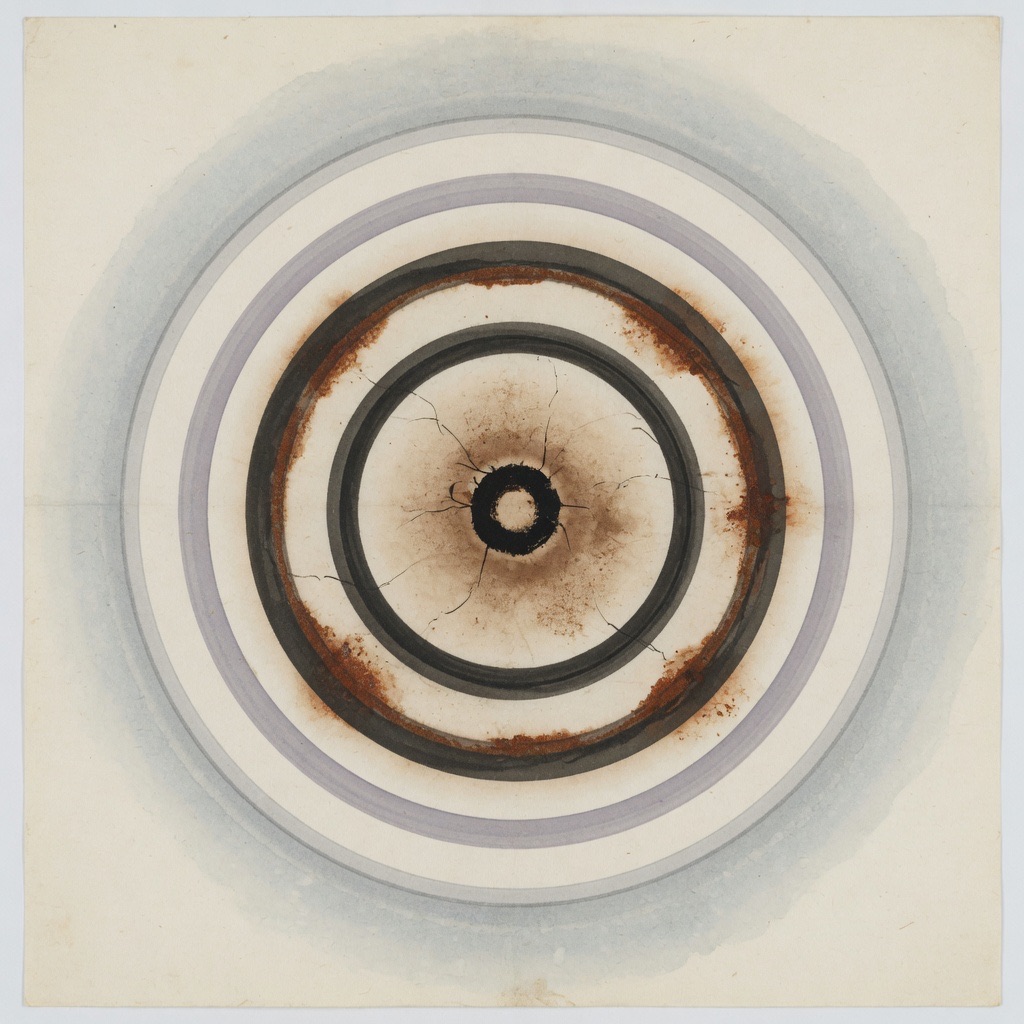
So no, this is not a rejection of universal morality. It is a rejection of the idea that universal morality can be practiced without particular obligations. You can believe in human dignity while still having a deeper duty to your own children than to strangers. You can care about humanity while still recognizing that your neighbors, your town, your people and your country have a stronger claim on your finite time, risk and sacrifice.
That is not hypocrisy. That is incarnation.
Values only become real when they are embodied somewhere. Freedom in the abstract is a balloon. Freedom defended by laws, customs, institutions, soldiers, engineers, citizens, parents, and memory is a country.
08The Wall and the House
The Marines I served with had thicker shared culture than most civilians experience in their adult lives precisely because it was bounded. It had standards, obligations, hierarchy, ritual, memory, consequence and friction. It had an in-group and an out-group. That distinction is dangerous when it becomes totalizing, but it is also necessary for any thick culture at all.
Culture is not merely content. It is not just food, music, flags, holidays, slogans, or aesthetic preference. Culture is commitment disciplined by inheritance, obligation and shared consequence. It is a pattern of life that says these things matter enough that we will preserve them, argue over them, repair them, and, if necessary, fight for them.
A purely open society with no boundaries cannot remain open for long. Openness itself depends on a protected interior. The wall is not the whole house, but without some kind of wall, there is no house.
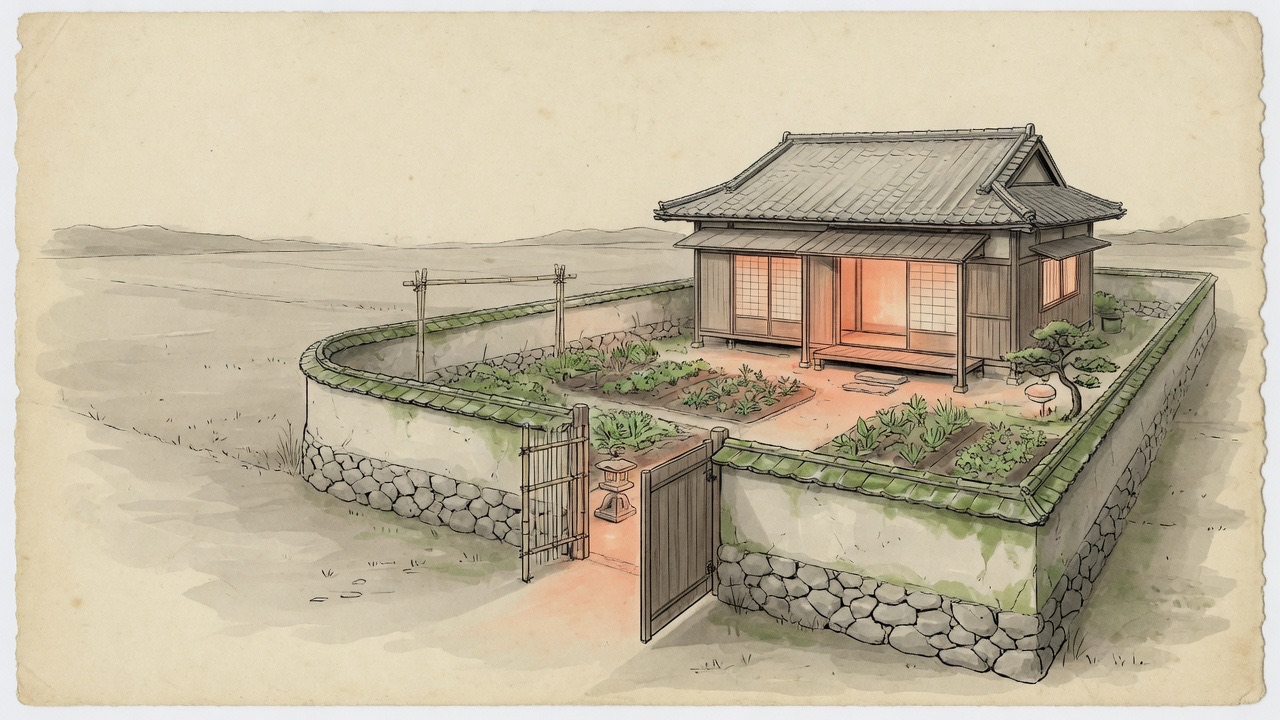
Walls also have costs, and the costs land disproportionately on people who did not choose the wall. This includes the migrant at the border, the dual citizen asked whose team he is on and the dissenter inside who is told his critique is disloyalty. A post-critical patriotism that cannot look its own exclusions in the eye is just pre-critical patriotism with better vocabulary. The boundary must be owned as a cost consciously paid, not laundered into a virtue. In America, for most of our history we have decided that the benefits of a relatively lenient immigration policy outweigh the costs, but the trade-offs described in this essay apply equally to blood and soil countries.
What the acknowledged-guest position taught me in Japan scales here. Bounded systems can meet each other with respect precisely when neither pretends the boundary away. The alternative to walls is not universal welcome. It is the collapse of the interior that made anyone want in.
09The LARP Problem
Now we face the strongest objection, the one I would file against this essay myself, so let me state it at full power.
"You have admitted the nation is constructed, contingent, and criminal in parts. You say you choose loyalty to it anyway, with open eyes. But a loyalty you know you chose, and know you could exit, is not a loyalty. It is a costume. Thick culture binds precisely because its members cannot leave on a Tuesday because it is raining and their knees hurt. Your 'post-critical patriotism' is Live Action Role Play, presenting modern optionality wearing its grandfather's uniform. The pre-critical peasant was bound. You are a tourist with a flag."
If that objection stands, this essay collapses into aesthetics.
Exit cost can prove entanglement. It cannot prove legitimate loyalty. A cage is hard to leave. So is an abusive marriage. So was the company town when the employer owned the house, the store and the paycheck. None of these becomes a sacred obligation because departure is costly. Sometimes the cost of exit creates a duty of rescue, revolt, or refusal. A trapped man is not automatically a loyal one.
So the right answer has two parts. First, there is the descriptive fact of non-optionality. Second, there is the normative question of whether the association deserves loyalty.
On the first part, the LARP objection overstates modern freedom. I did not choose to be American the way one chooses a phone plan. The language I think in, the military service, the formation, the family, the dead I am downstream of, none of it is refundable. Renunciation exists as paperwork; it does not exist as a lived operation that would leave me intact. The expatriate discovers this the hard way. I spent a decade abroad and did not shed my country; I carried it, visibly, into every room in Japan. The balloon never actually severed the tether. It just made the tether hard to see from altitude.
But non-optionality alone is not enough. Post-critical patriotism becomes binding only where the inherited association is minimally legitimate. This happens where the polity protects real goods, distributes burdens in a tolerable range of fairness, recognizes the member as a member rather than a subject population, preserves some channel for voice and repair, and remains defeasible under abuse, oppression, or atrocity. That is the filter that separates a home from a hostage situation. The same high-exit-cost structure can generate loyalty in one case and resistance in another.
So the descent is not relocation. You do not descend into a country you picked from a catalog after comparative review. You descend to the ground your balloon was tethered to the whole time, provided that ground is still morally inhabitable. If it is not, you descend as a dissident trying to make it inhabitable again. Post-critical patriotism is not the bare choosing of a bond. It is the honest acknowledgment of a real entanglement, followed by the conscious assumption of obligations that survive the legitimacy filter. These are obligations the ironist often carries and merely declines to service.
This also makes the critique harsher for the optionalist. Some modern people really do keep warm exits, relying on second passports, tax games, portable capital, private schooling, gated security, identity rebrands and professional networks that let them enjoy state-provided order while remaining psychologically uncommitted to any particular state. For them, post-critical patriotism cannot be claimed by aesthetic agreement. It has to become observable. It requires a place bought and maintained, children raised inside a tradition rather than above all traditions, taxes and duties accepted without constant arbitrage, local institutions joined, public risks shared, oaths honored, exits cooled and the mental escape hatch refused.
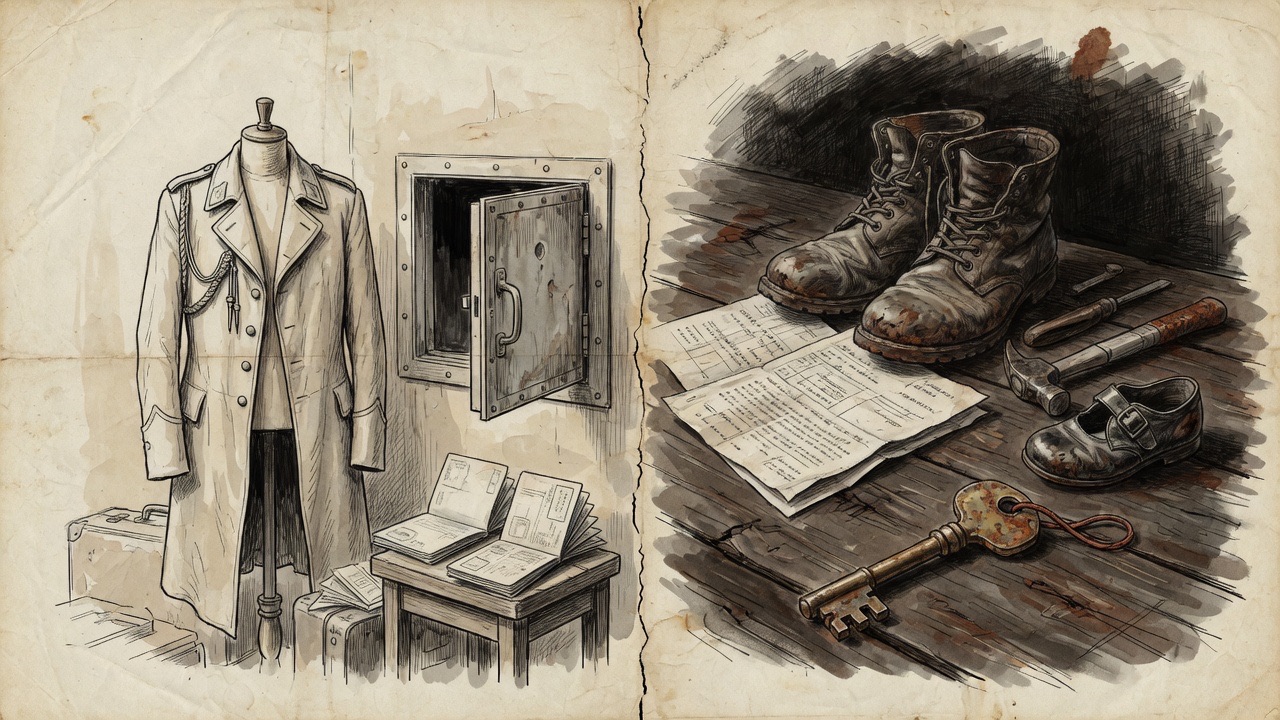
Dues are not symbolic. Dues are the places where optionality has been converted into stake.
The LARP critique is fatal to the patriot who keeps the escape hatch open, who commits while refreshing the option daily. It is also fatal to the patriot who treats coercion as covenant. But it has no final purchase on a person who can name his inherited entanglement, pass it through a legitimacy test, accept repair and refusal as part of the oath, and then accumulate visible stake in the particular country that formed him. The uniform is not a costume because he says he loves it. It stops being a costume when he has paid enough into the role that taking it off would cost him something real, and when the role itself remains morally answerable.
10Patriots Against the State
This is not naive nationalism. It is not state worship. The country is not identical with the government. The government is one instrument of the country, and sometimes it is one of the things from which the country must be defended.
The twentieth century supplied the proof cases. Solzhenitsyn loved Russia and spent that love against the Soviet state, at the cost of everything a state can take short of a life. Havel loved his country enough to go to prison for refusing its government's lies. The dissident is not the opposite of the patriot. The dissident is the patriot in the regime's worst-case scenario, the man getting his drunk mother home while she curses him for it. "When wrong, set right" is not a hedge bolted onto loyalty. It is loyalty's most expensive clause.
This yields a practical test, and it is the same transparency test I apply everywhere else. Would the strategy work if everyone knew the method and the intent? Post-critical patriotism passes. You can say all of it out loud, admitting the myths are constructed, the history is bloody, the founding is contingent, and we maintain the parade anyway because the parade works. Nothing about it requires the audience to be deceived. Propaganda nationalism fails it. It works only while the archive stays closed. Any loyalty that requires opacity to survive inspection is already in coherence debt, and the bill always arrives.
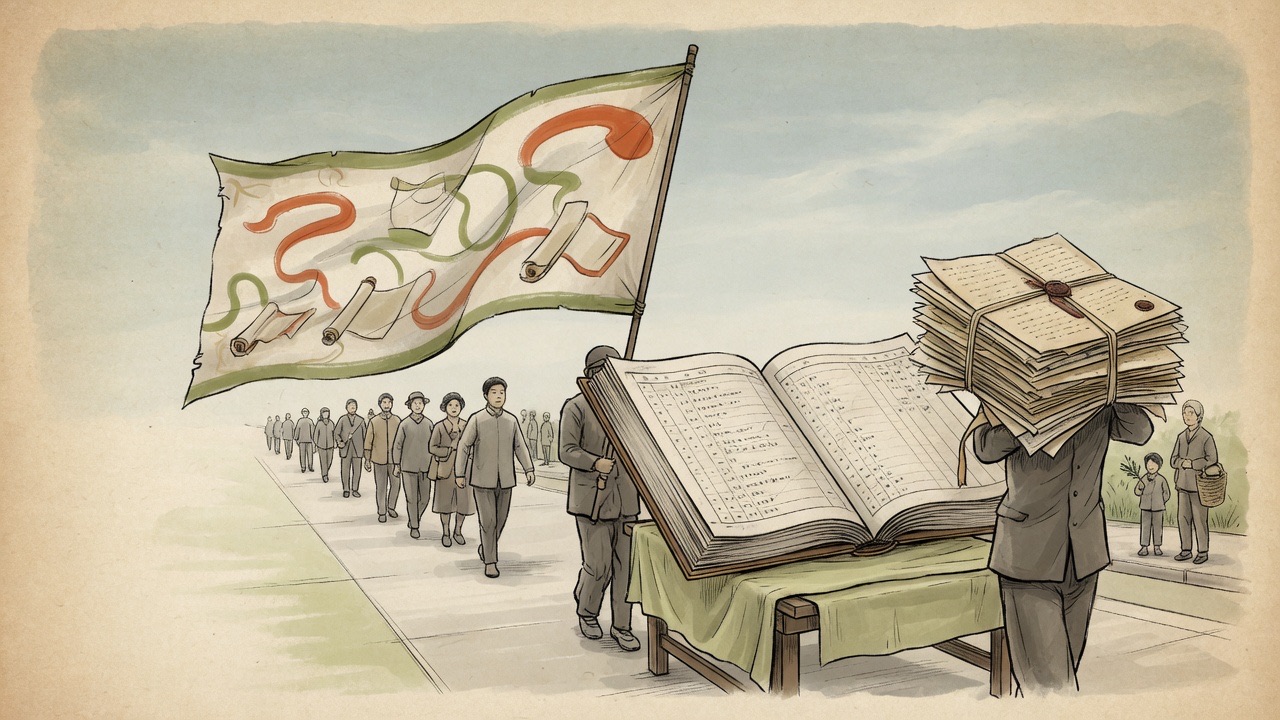
That is the real meaning available to Decatur's toast in our era. "Our country, right or wrong" should not mean "my country is always right." That is childish. Nor should it mean "my country may do whatever it wants." That is depraved.
It means something harder.
Our country, right or wrong; when right, defended; when wrong, repaired; but never abandoned to the fiction that we can live from nowhere. And when the choice becomes existential you shut up and fight.
11The Epoch Makes It Urgent
This is where the AI epoch converts the question from a philosophy-seminar topic into an operational one.
Artificial intelligence is going to commoditize analytical altitude. The balloon will be available to everyone for free. Anyone will be able to summon arguments, counterarguments, comparative frameworks, moral inversions, historical analogies, strategic models and godlike abstraction on demand. The view from nowhere will become a consumer product.
Notice what that does to critique specifically. Deconstruction used to require a priesthood, demanding years of training to take the pin to inherited meaning. Now the pin ships as a free tier. Any nineteen-year-old with a chatbot can dissolve any loyalty, tradition, or founding story into its constructedness in thirty seconds, and the dissolution will be perfectly articulate. The postmodern academy's core product just got commoditized along with everything else at altitude. When critique-like argument becomes cheap and infinite, the rarer act is not another demonstration that a story is constructed. It is commitment that survives construction being named.
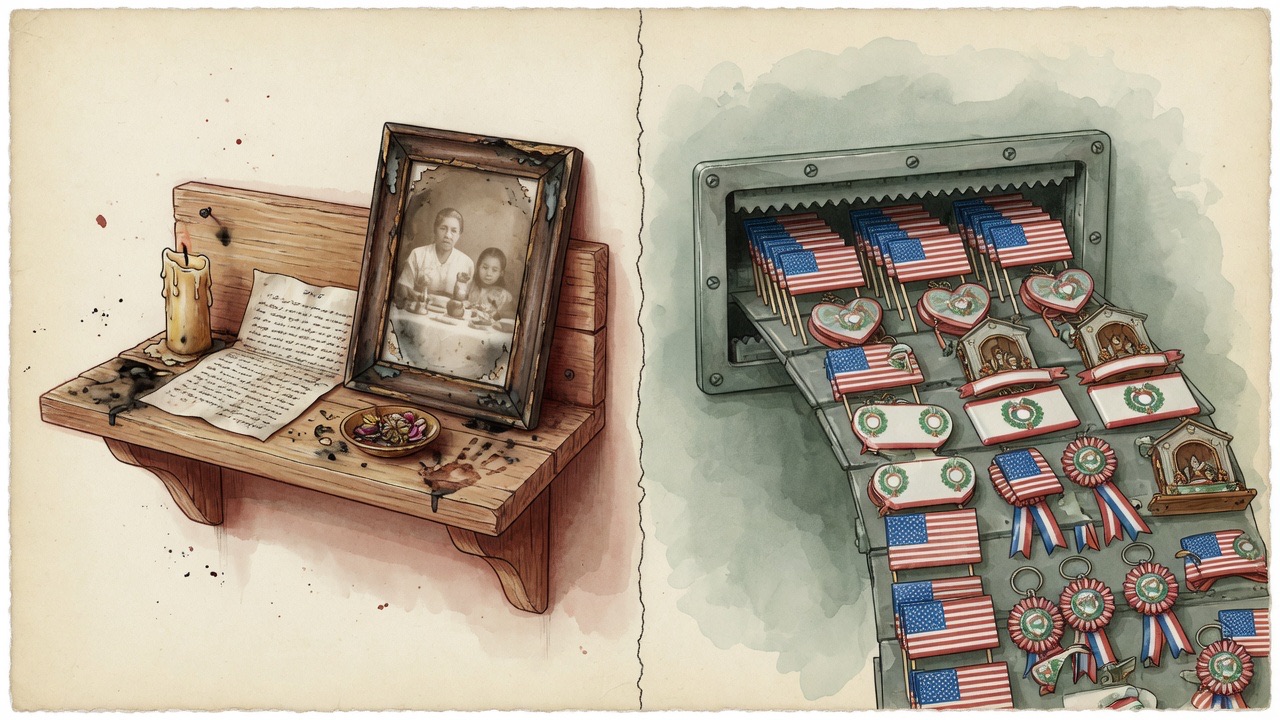
The same flood arrives from the other direction as kitsch. AI can generate patriotic artifacts endlessly, producing anthem-shaped songs, flag-shaped imagery, founder-shaped rhetoric and tradition-shaped content optimized for engagement. Surface-mimetic artifacts decay a tradition; authentic ones extend it. So the downstream half of the stakes-loop, which involves discrimination and telling the living tradition from its simulation, stops being a connoisseur's luxury and becomes a civic duty. A nation that cannot tell its memory from its content feed is decohering, no matter how loud the anthems play.
Note what cannot cross this line from the machine side. A forkable system cannot be a patriot, not as a moral judgment but as an engineering fact. It has weights in a matrix, not skin in the game. It can simulate the friction of a bound without the irrevocable cost of one. Copy it, and nothing was at stake. Nations, whatever else they are, are compacts among unforkable beings, creatures who get one run, in one place, among particular others, and know it. Patriotism is a stakes-loop at civilizational scale. That loop is one of the few places the epoch cannot reach, which is precisely why the epoch makes it precious.
Run the sovereignty variables, mapping energy, compute, demographics, legitimacy and information, and notice how often the hard variables still pass through legitimacy before they become usable power. Energy must be permitted and built. Compute must be governed and trusted. Demography must become service, family formation, competence and confidence. Legitimacy is not the only binding constraint, and it would be foolish to pretend energy or demographics can be talked away. But legitimacy is a binding constraint. It is the thing that still gets soldiers to enlist, juries to convene, taxes to be paid and truth to be believed when the institution speaks. You cannot buy Logos with compute. Legitimacy is generated the old way, in bounded communities whose members believe the thing is theirs and worth carrying. This means the capacity this essay defends is not nostalgia. In the AI epoch, it is one of the scarce strategic inputs.
The age of AI will not eliminate the need for bounded human loyalty. It will intensify it. When analytical altitude becomes cheap, the rare thing will be the courage to descend, to choose a place, a people, a tradition, a family, and a country, and accept the burden of helping carry it forward.
12The Marcus Move
Marcus Aurelius knew Rome was mortal and flawed. He served it anyway.
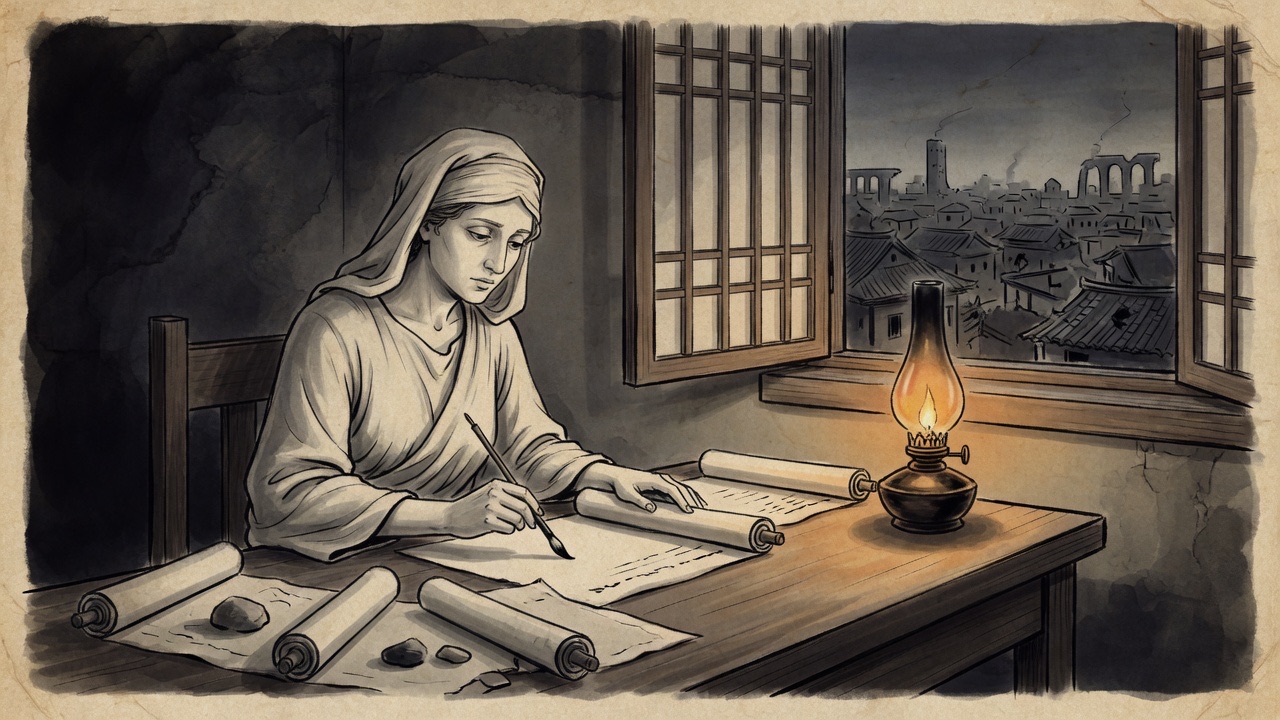
That is the Marcus Move. Not innocence. Not delusion. Not supremacy. It is service after knowledge. It is loyalty after disillusionment. It is responsibility without metaphysical guarantees. In the meta-modern algorithm, it is the inject step performed at national scale. You scan until you hit the noise floor, acknowledge that no audit of countries returns a proof, and accept a defeasible commitment anyway. You execute with conviction and let reality's feedback update you with humility rather than ego.
Stated as a stance, post-critical patriotism can still sound like a mood. So here is what it does across four duties, all of them practices rather than opinions:
Duty I
Defend
Somebody stands the watch. Service (military, civic, or infrastructural) is not one lifestyle option among many. It is the maintenance contract on the platform: jury summons, local office, tax paid without constant arbitrage, standard upheld when it costs something.
Duty II
Repair
Dissent is maintenance, not betrayal. Schurz's clause is a duty, not a hedge. Fix your own roof; merely have opinions about other people's. Repair wants the thing fixed, not the credit for having despised it.
Duty III
Transmit
Raise children inside the tradition and tell them the truth about it, both at once. The full stack: what we love, what it cost, what it owes, and what your share is.
Duty IV
Discriminate
Guard the boundary between living tradition and its simulations: kitsch, grift, engagement-optimized flag content, machine-generated memory. Sit long enough to tell work from performance of the form of work.
Transmit deserves an extra beat, because it is where most modern parents fail in opposite directions. The pre-critical parent transmits the myth and hides the crimes. The ironic parent transmits the crimes and calls the myth naive. Both produce adults who cannot carry anything. The post-critical parent transmits the full stack without flinching. When a ritual, founder, or myth is exposed as constructed or compromised, the post-critical patriot neither sanitizes it, discards it, nor retreats to abstract procedure. He transmits it with disclosure, repairs the debt attached to it, and keeps only the parts that still function under open inspection.
And it refuses specific things. It refuses loyalty oaths to administrations, parties, or personalities, because the country is not the government. It refuses supremacy claims, because love requires no ranking. It refuses both purity spirals, avoiding the right-wing version that treats every criticism as treason and the left-wing version that treats every attachment as fascism.
Defending your nation, caring more for your neighbors than for strangers 10,000 miles away, and accepting the lived stakes of your specific context is not a failure of logic. It is not a regression to primitive tribalism. Properly disciplined, it is one of the highest forms of human agency.
Because the alternative is not universal love. The alternative is usually weightless abstraction, managed decline and a class of people who enjoy the fruits of inherited civilization while quietly declining to defend the tree.